Drainage in Kingsgrove
1000+ five-star reviews
Drains are the part of the plumbing nobody thinks about until the water stops going where it should. Then they matter more than anything else in the house.
Homes, shops and factories, all on the one team. Your Plumber Kingsgrove works on drains right across the suburb, from a slow gully trap on a quiet residential street to a surcharging line behind a warehouse.
This hub explains how each kind of drainage job is tackled and points you to the right service page. A licensed plumber answers when you call (02) 9072 0502, and the $0 call out fee means the assessment costs you nothing.
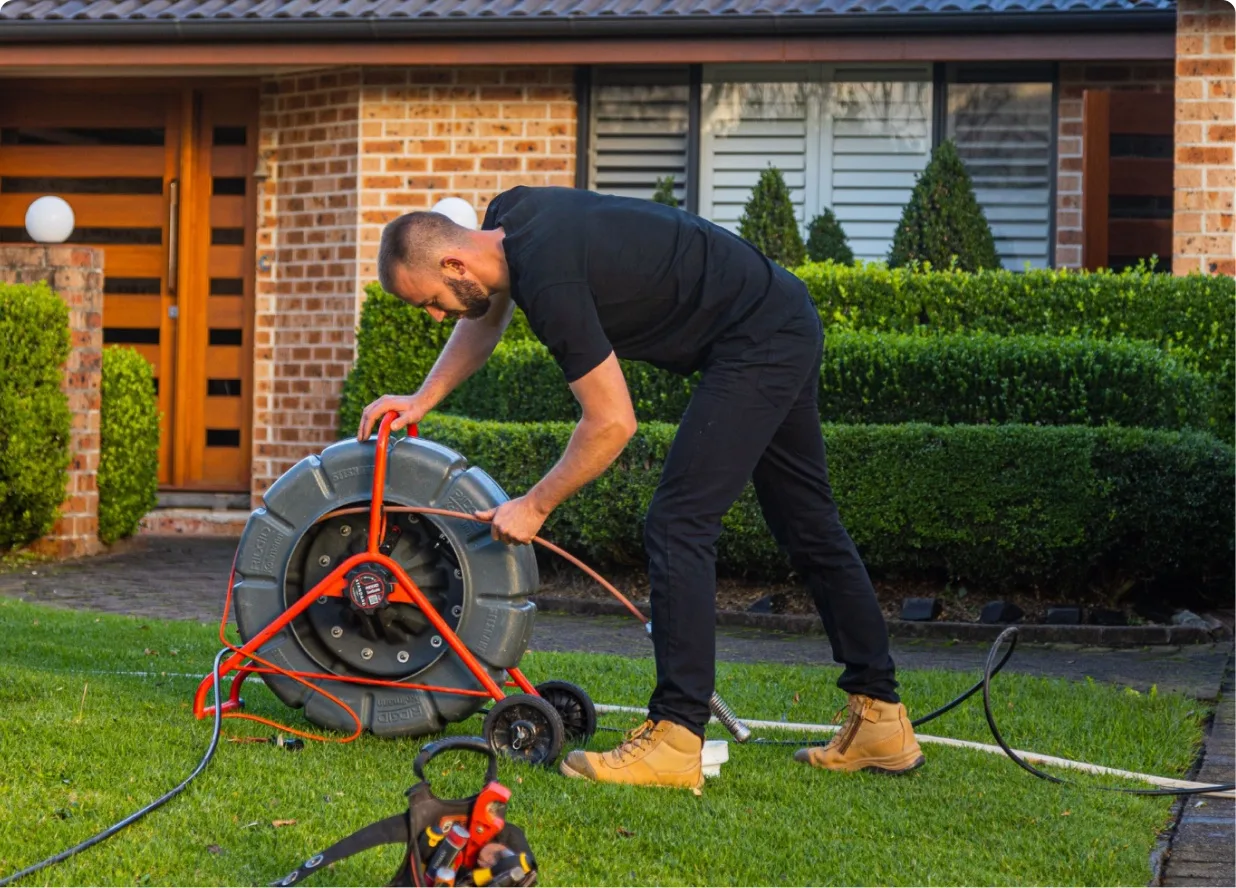
A local read on local drains. We work the same streets week in, week out, so the van reaching you already knows the faults these houses tend to throw up. That head start is half the job before a camera even goes down the line.
- $0 Call Out Fee
- Lifetime Labour Warranty
- Licensed & Insured
- Lic #275278C
- Licensed & Insured
- $0 Call Out Fee
- Lifetime Labour Warranty
- On-Site Fast, 24/7
- 1000+ five-star reviews
- Real Humans Answer, Day or Night
- Lic #275278C
- Licensed & Insured
- $0 Call Out Fee
- Lifetime Labour Warranty
- On-Site Fast, 24/7
- 1000+ five-star reviews
- Real Humans Answer, Day or Night
- Lic #275278CNSW plumbing licence, fully insured, water and gas
- $0 Call Out FeeIt costs nothing to get us to your door
- Lifetime Labour WarrantyIf it's not right, we come back. No questions. No cost.
- 1000+ five-star reviewsSydney homeowners have rated us five stars over a thousand times
When your drains need attention in Kingsgrove
Drainage trouble rarely announces itself politely. It creeps in as a gurgle, a smell or a patch of wet ground, then turns into an overflow at the worst possible moment.
Any one of these signs is worth a plumber's eyes on it:
- A toilet, sink or floor waste that empties slowly or bubbles when another fixture runs
- Wastewater rising in the shower or laundry, which usually points to a blocked sewer instead of one isolated fixture
- Gurgling gully traps, or a foul smell drifting across the yard on a still day
- Pooling water or a soggy lawn that lingers long after the rain has stopped
- Rain backing up at pits and downpipes mid-storm, which is work for the stormwater line
A drain overflowing inside the house is an emergency, and that side of the work lives on our emergency plumbing pages. Everything else here is planned drainage work, diagnosed properly before a quote is written.
Catch it early and a blocked line is a quick clear. Leave it, and the same fault becomes a flooded laundry, a stained ceiling or a lawn you cannot walk on.
What to do while a plumber is on the way
A backing-up drain does the most damage in the first few minutes, so a couple of calm moves buy you time before the van arrives.
Stop adding water
Lift the overflow gully
Keep the area clear
At the head of the Wolli Creek and Bardwell Creek catchments
Kingsgrove sits at the very top of two catchments at once, the Wolli Creek system and the Bardwell Creek system. Every heavy downpour drains through the suburb before anywhere downstream sees a drop.
Concrete channels, not soft creek banks. The upper reaches here were long ago turned into lined concrete stormwater channels, engineered to shift water fast. When rain outpaces them, parts of the area are mapped as flood-affected, and private stormwater drains feel the pressure first.
Storm surcharge is a local reality. During intense storms the stormwater network around Kingsgrove Road and the lower streets surcharges and backs up into yards. A downpipe or pit that copes all year can still overflow once the whole catchment runs at once.
The industrial precinct adds volume. The factory and warehouse area beside the railway pushes large sheets of hardstand run-off into the same network. Commercial drainage here has to be built for surge, not for a trickle.
Falls matter more at the top. Because water starts its journey here, a drain laid with a lazy grade shows up sooner than it would downstream. Correct falls are the difference between a yard that sheds water and one that holds it.
Concrete channels, not soft creek banks
The upper reaches here were long ago turned into lined concrete stormwater channels, engineered to shift water fast. When rain outpaces them, parts of the area are mapped as flood-affected, and private stormwater drains feel the pressure first.
Storm surcharge is a local reality
During intense storms the stormwater network around Kingsgrove Road and the lower streets surcharges and backs up into yards. A downpipe or pit that copes all year can still overflow once the whole catchment runs at once.
The industrial precinct adds volume
The factory and warehouse area beside the railway pushes large sheets of hardstand run-off into the same network. Commercial drainage here has to be built for surge, not for a trickle.
Falls matter more at the top
Because water starts its journey here, a drain laid with a lazy grade shows up sooner than it would downstream. Correct falls are the difference between a yard that sheds water and one that holds it.
Drainage services we cover across Kingsgrove
Every drainage job below is one topic with its own dedicated page. Start here, follow the link, and you reach the full rundown, the method and the local background for that exact service.
Blocked Drains
The bread-and-butter drainage call, from a kitchen line thick with grease to a stormwater pit packed with leaf litter. A camera and a jetter do the work, so the cause is found and cleared rather than guessed at.
Blocked Sewer
When several fixtures back up together the fault usually sits in the main sewer line, not a single trap. Root-choked clay joints under the older streets are a frequent culprit that pays to clear properly the first time.
Stormwater
Pits, downpipes, agricultural drains and surface run-off that all need to carry water away from the building fast. Given the suburb's place atop two catchments, this work matters more here than in most places.
Drainage Repair & Installation
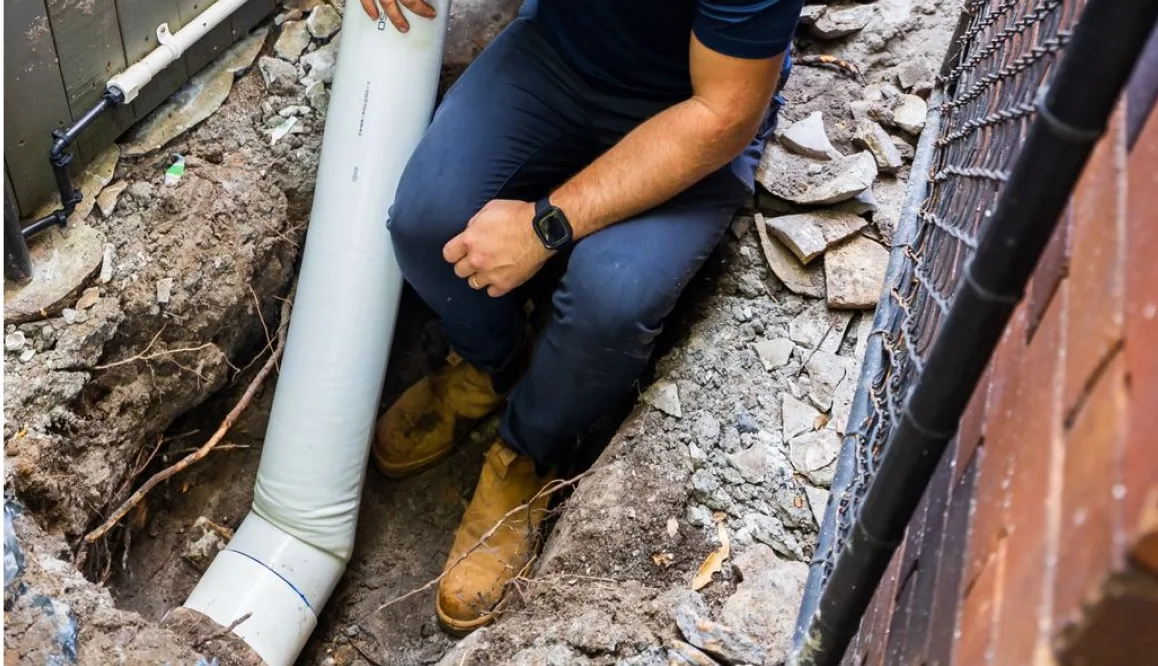
New drain runs, replaced sections and re-graded falls for renovations, extensions and lines that have simply failed. Everything is set out to Sydney Water standards, tested, and signed off before the trench is closed.
CCTV Drain Inspections
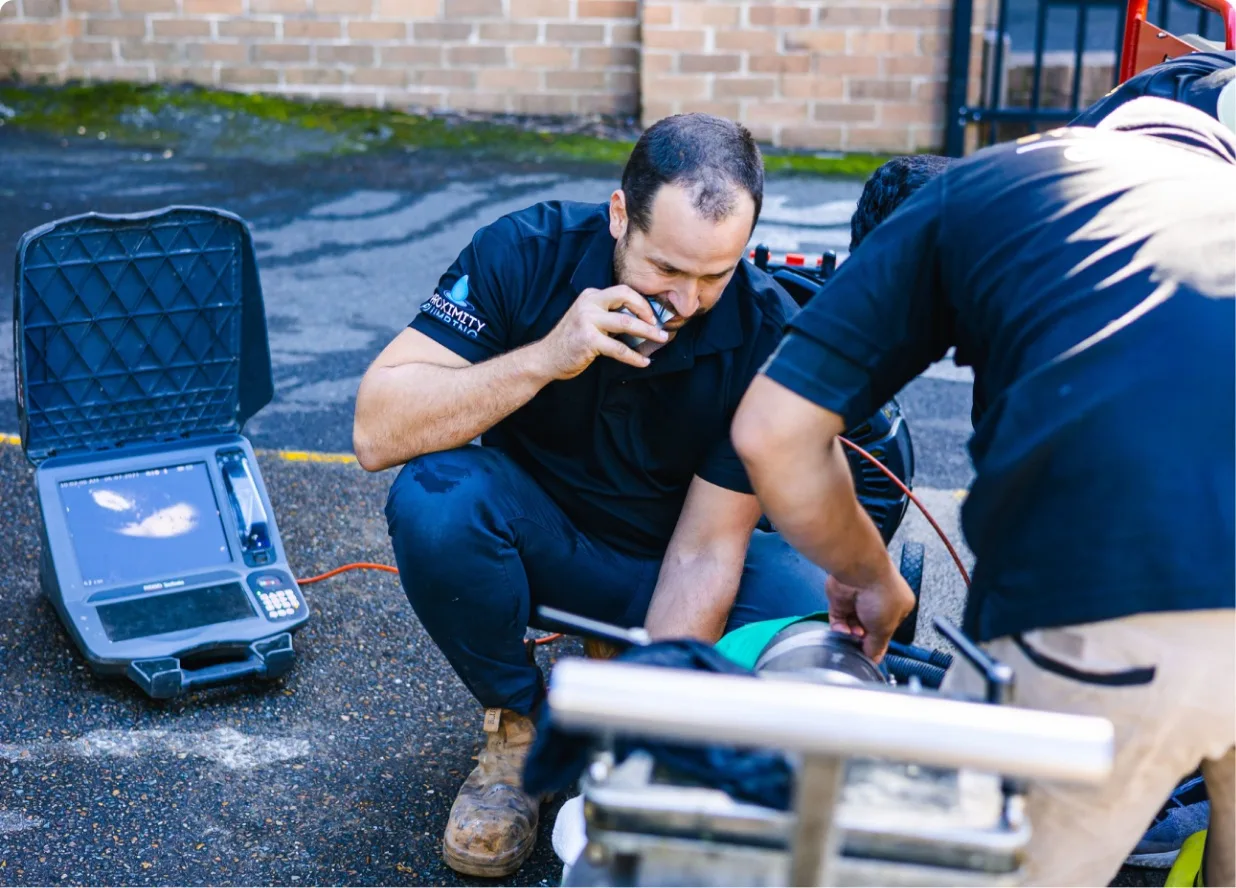
A camera survey that shows exactly what is happening inside the pipe, so a repair targets the real fault instead of the symptom. It is also how pre-purchase buyers learn what drainage they are about to inherit.
Pipe Relining
A cured resin sleeve that rebuilds a broken pipe from the inside, locking roots out and getting flow back. It spares the garden, driveway or slab that a full excavation would otherwise have to tear up.
Clay sewers, tree roots and shifting ground
The drainage faults a plumber sees most often here trace straight back to how and when these streets were first built.
Clay and earthenware pipe. Homes connected from the 1930s through the 1960s, as the suburb filled out around the railway station, took vitrified clay and earthenware sewer lines. Those pipes are now well past their service life, and their mortar joints crack, dip and drift out of line.
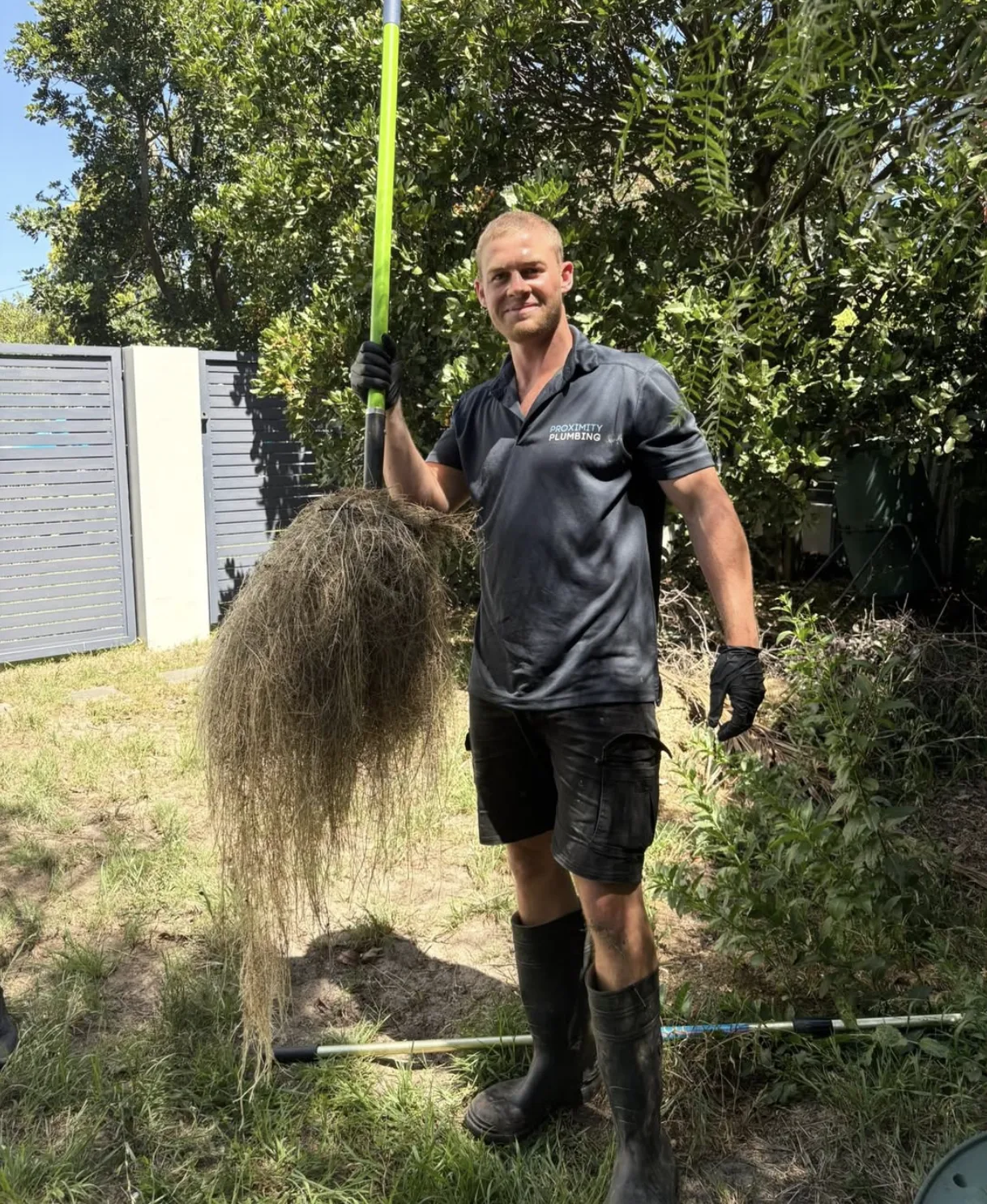
Roots find every gap. The old street trees lining these residential blocks, from Beaumont Park across toward Stoney Creek Road, chase the moisture at those failing joints. Once inside, a fine root spreads into a dense mat that snags waste and fat until the flow stops dead.
Ground that swells and dries. The soil below is reactive clay over shale, expanding when wet and contracting through dry spells. That movement shears rigid drain lines, prises joints apart and drops sections out of grade, which is why a cleared drain can block again unless the pipe gets a proper repair.
Old materials, modern loads. Dishwashers, second bathrooms and food waste all push more through pipes that were sized for a smaller post-war household. The pipe has not grown, so the margin for a blockage keeps shrinking.
Clay and earthenware pipe
Homes connected from the 1930s through the 1960s, as the suburb filled out around the railway station, took vitrified clay and earthenware sewer lines. Those pipes are now well past their service life, and their mortar joints crack, dip and drift out of line.
Roots find every gap
The old street trees lining these residential blocks, from Beaumont Park across toward Stoney Creek Road, chase the moisture at those failing joints. Once inside, a fine root spreads into a dense mat that snags waste and fat until the flow stops dead.
Ground that swells and dries
The soil below is reactive clay over shale, expanding when wet and contracting through dry spells. That movement shears rigid drain lines, prises joints apart and drops sections out of grade, which is why a cleared drain can block again unless the pipe gets a proper repair.
Old materials, modern loads
Dishwashers, second bathrooms and food waste all push more through pipes that were sized for a smaller post-war household. The pipe has not grown, so the margin for a blockage keeps shrinking.
How we diagnose a drainage problem
Guesswork wrecks gardens and wastes money. A proper drainage job follows a set order, and each step decides the next one.
Camera first. A CCTV inspection goes in before anything is dug or quoted. It locates the blockage or break and reveals if the pipe is intact, cracked or fully collapsed.
Clear and confirm. A high-pressure water jetter cuts through roots, grease and debris. The camera then goes back in to prove the line is genuinely clear, not merely flowing again for an hour.
Repair or reline. If the pipe itself has failed, relining rebuilds it in place. Only a fully collapsed or badly displaced section calls for digging and replacement, and you see the footage and the options before any repair is priced.
No-dig by default. Wherever the pipe can be cleared and relined through an access point, that is the path we take, because it keeps your driveway, paths and garden intact. Excavation is proposed only when the pipe genuinely cannot be saved in place.
This order is deliberate. It means your money goes to fixing the fault the camera found, never to chasing a blockage blind through a wall or a slab.
Camera first
A CCTV inspection goes in before anything is dug or quoted. It locates the blockage or break and reveals if the pipe is intact, cracked or fully collapsed.
Clear and confirm
A high-pressure water jetter cuts through roots, grease and debris. The camera then goes back in to prove the line is genuinely clear, not merely flowing again for an hour.
Repair or reline
If the pipe itself has failed, relining rebuilds it in place. Only a fully collapsed or badly displaced section calls for digging and replacement, and you see the footage and the options before any repair is priced.
No-dig by default
Wherever the pipe can be cleared and relined through an access point, that is the path we take, because it keeps your driveway, paths and garden intact. Excavation is proposed only when the pipe genuinely cannot be saved in place.
Drain trouble by property type
The same catchment and the same ageing clay behave differently according to what is built over the drain.
Older brick houses
Unit blocks and infill
Factories, warehouses and shops
Seasonal drainage across the year
Drains here follow the weather, and the calendar gives a fair warning of when they will complain.
Summer storms
Autumn leaf fall
What actually blocks a drain here
Most blockages come down to a short list of causes, and knowing which one you have decides how the line gets cleared.
Tree roots. The single biggest cause on the older streets, roots thread into cracked clay joints and grow into a solid plug. Cutting alone is temporary, so the joint itself usually needs relining to keep them out for good.
Grease and fat. Kitchen waste and food-outlet run-off cool inside the pipe and set like candle wax on the walls. A jetter scours it back to bare pipe far better than a rod ever could.
Silt, sand and leaves. Stormwater lines quietly fill with grit and organic matter until a downpour finds no room to move. Regular pit clearing keeps the reserve capacity you need in a storm.
Broken or dropped pipe. Ground movement in the reactive clay cracks a pipe or drops a section out of grade, and debris then snags at the fault. Here a camera is essential, because clearing the line only buys time until a lasting repair is made.
Tree roots
The single biggest cause on the older streets, roots thread into cracked clay joints and grow into a solid plug. Cutting alone is temporary, so the joint itself usually needs relining to keep them out for good.
Grease and fat
Kitchen waste and food-outlet run-off cool inside the pipe and set like candle wax on the walls. A jetter scours it back to bare pipe far better than a rod ever could.
Silt, sand and leaves
Stormwater lines quietly fill with grit and organic matter until a downpour finds no room to move. Regular pit clearing keeps the reserve capacity you need in a storm.
Broken or dropped pipe
Ground movement in the reactive clay cracks a pipe or drops a section out of grade, and debris then snags at the fault. Here a camera is essential, because clearing the line only buys time until a lasting repair is made.
Drainage for renovations and extensions
Old houses on established blocks get renovated constantly, and new bathrooms, laundries and granny flats all lean on drainage that was never laid for them.
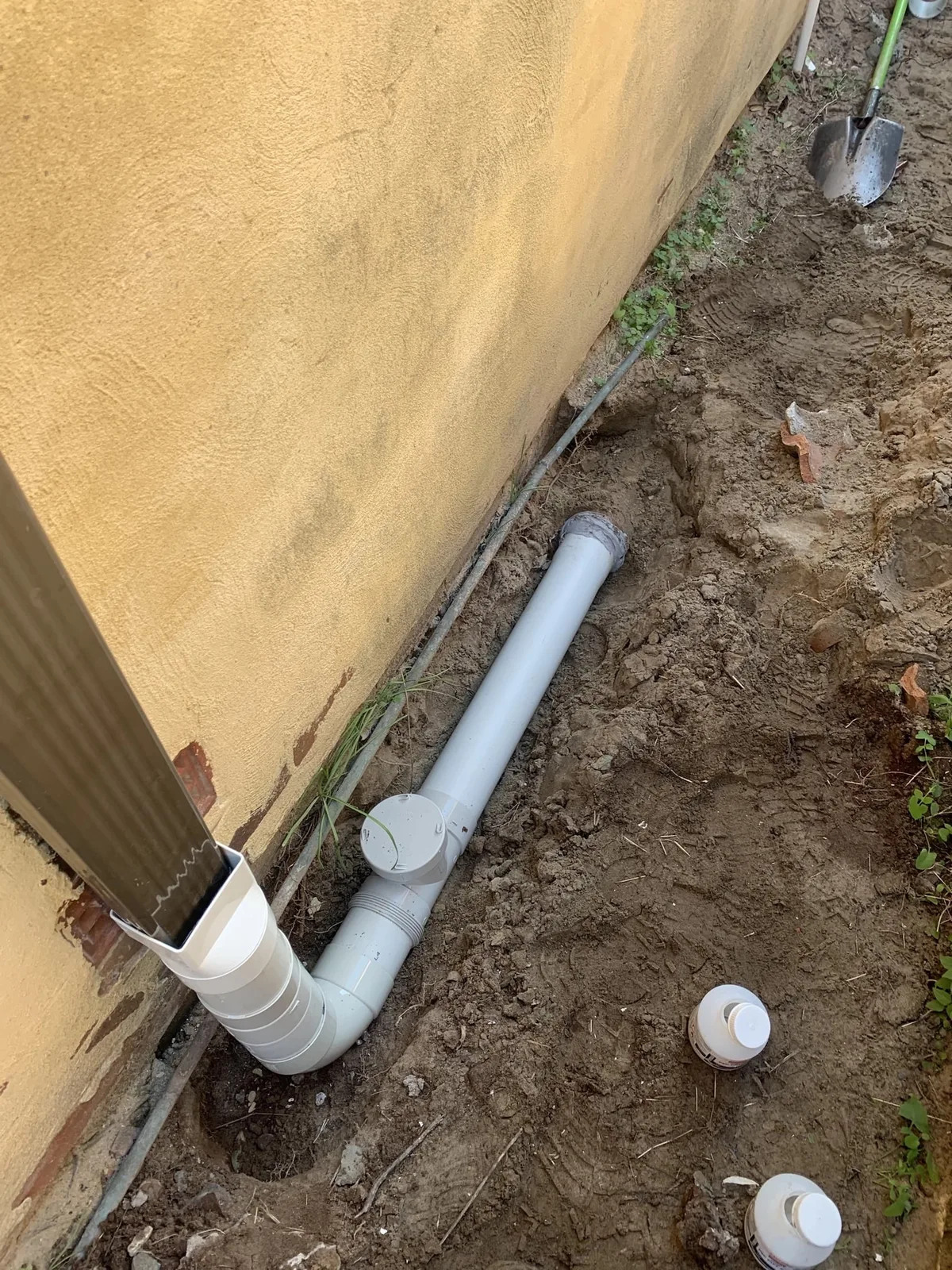
New runs, correct falls
Know the old line first
Signed off and compliant
Keeping drains clear between call-outs
A little upkeep beats an emergency, and a few habits keep the worst blockages off your calendar entirely.
Watch what goes down. Wipes, cooking fat and coffee grounds are the usual suspects behind a household blockage. Keeping them out of the sink and toilet spares the drain most of its trouble.
Book a camera when a run keeps failing. If the same line blocks twice in a year, the pipe is telling you something a plunger cannot fix. A CCTV inspection shows whether roots or a break are behind it.
Clear pits before the wet. A quick pit and downpipe clean ahead of summer gives the stormwater somewhere to go when the catchment is running hard.
Mind the trees. If a big gum or paperbark sits near your sewer line, a scheduled root cut keeps a slow creep from becoming a full blockage at the worst moment.
Watch what goes down
Wipes, cooking fat and coffee grounds are the usual suspects behind a household blockage. Keeping them out of the sink and toilet spares the drain most of its trouble.
Book a camera when a run keeps failing
If the same line blocks twice in a year, the pipe is telling you something a plunger cannot fix. A CCTV inspection shows whether roots or a break are behind it.
Clear pits before the wet
A quick pit and downpipe clean ahead of summer gives the stormwater somewhere to go when the catchment is running hard.
Mind the trees
If a big gum or paperbark sits near your sewer line, a scheduled root cut keeps a slow creep from becoming a full blockage at the worst moment.
How it works
How a drainage job works
- 01
Call us and talk to a plumber
Speak to a licensed plumber, not an answering machine. Tell us what's going on and we'll tell you what happens next.
- 02
We turn up when we say we will
Your plumber arrives on time, in a stocked van, ready to start, not ready to have a look and come back next week.
- 03
Fixed price before we lift a spanner
You get the full price in writing before any work begins. No surprises, no obligation. If you say no, that's fine. The call out cost you $0.
- 04
Fixed right, backed for life
The work is done properly, tested, and covered by our Lifetime Labour Warranty. If it's not right, we come back. No questions. No cost.
Why choose Your Plumber Kingsgrove
The price we quote is the price you pay. No exceptions
Every job is priced upfront, in writing, before work starts. Weekend or weekday, day or night, with no overtime surprises.
$0 Call Out Fee
Getting us to your door costs nothing. You only ever pay for work you've approved.
Licensed & insured, Lic #275278C
Every plumber on the team is fully licensed and insured. Your compliance certificates are sorted, every time.
Lifetime Labour Warranty
Our workmanship is guaranteed for life. If it's not right, we come back. No questions. No cost.
Stocked vans, first-visit fixes
Our vans carry the parts for the common jobs, so most problems are fixed on the first visit, not after a second call out.
What drainage work costs
- $0 call out: the assessment and quote cost you nothing
- One fixed price, in writing, before any work begins
- No overtime rates: nights and weekends priced the same way
- Card, cash and payment plans accepted
No surprises, no obligation. If the price doesn't work for you, you owe us nothing.
Good questions, straight answers
Drainage questions Kingsgrove locals ask
Is my blocked drain a sewer problem or a stormwater problem?
Sewer lines carry waste from toilets and sinks, while stormwater carries rain off roofs and yards, and a licensed plumber traces which one is backing up before touching a thing.
Why do drains around the older streets keep blocking?
The older brick homes here were connected with vitrified clay pipes whose joints crack and invite tree roots, so the same run often blocks again until the pipe is repaired.
Can you clear a drain without digging up my yard?
Usually yes, since a camera locates the fault and a high-pressure jetter clears it through an existing access point, and excavation stays a last resort rather than the first move.
My yard floods in heavy rain. Is that a drainage fault?
Because the suburb crowns two catchment headwaters at once, the Bardwell and Wolli lines, local stormwater surcharges in downpours, and a plumber checks whether your private drains or the pit layout are the cause.
Do you handle drains for factories and shops, not just houses?
Yes, the warehouse and retail properties around the precinct beside the railway get the same camera survey, jetting and relining service, sized for larger commercial pipe runs and trade waste.
What does pipe relining actually do?
Relining cures a resin sleeve inside the damaged pipe to form a new jointless pipe within the old one, which locks roots out and gets flow back without the trenching a full dig demands.
How fast can you reach a drainage emergency?
A real person answers day or night and a stocked van is sent your way on-site fast, because a drain overflowing into a home cannot wait for business hours or a callback the next morning.
Need a plumber in Kingsgrove? We're ready now
Need a plumber in Kingsgrove? We're ready now.
Call (02) 9072 0502 and speak to a licensed plumber, not an answering machine, 24/7, including weekends and public holidays. Prefer a callback? Leave your details and we'll call you back fast, day or night.
Call (02) 9072 0502. $0 call out, fixed price before any work begins.
Beyond drains, our general plumbing and hot water teams look after every other fixture, and the full picture starts back at home.